How to Choose the Right Roofing Material for Your Climate Mar 25, 2026
A crucial aspect of selecting roofing materials is considering your geographical climate. Different materials react to weather conditions in unique ways, and knowing how they perform in your climate can save you money and headaches in the long run. Here’s how to tailor your roofing choices to best suit your environment.
In hot, sunny climates, such as those found in the southern United States, heat absorption is a primary concern. Asphalt shingles, while popular, often absorb a lot of heat, potentially raising your cooling costs. Conversely, materials like metal and clay tiles reflect sunlight and help maintain cooler interior temperatures. Metal roofs, in particular, are highly energy efficient and can provide significant savings on air conditioning over time.
In contrast, if you live in a colder region that experiences heavy snowfall, durability and insulation become crucial. Materials such as slate and cedar shakes perform excellently in these conditions. Slate is incredibly durable and resistant to the harsh elements, while cedar shakes provide good insulation, keeping your home warm through the winter. Additionally, these materials typically offer a long lifespan, which is ideal for withstanding the test of cold weather.
Rainy or humid climates demand materials that can withstand moisture. In areas prone to storms and heavy rainfall, you need a roofing material that won't rot or degrade over time. Metal roofing, again, is a strong contender due to its water resistance and longevity. Similarly, synthetic materials, designed to mimic the appearance of wood or slate, provide excellent resistance to moisture and are often more affordable.
For those residing in areas with frequent severe weather such as hurricanes or tornadoes, impact-resistant materials are crucial. Concrete tiles and impact-resistant shingles are manufactured to endure strong winds and flying debris, providing peace of mind during storm season.
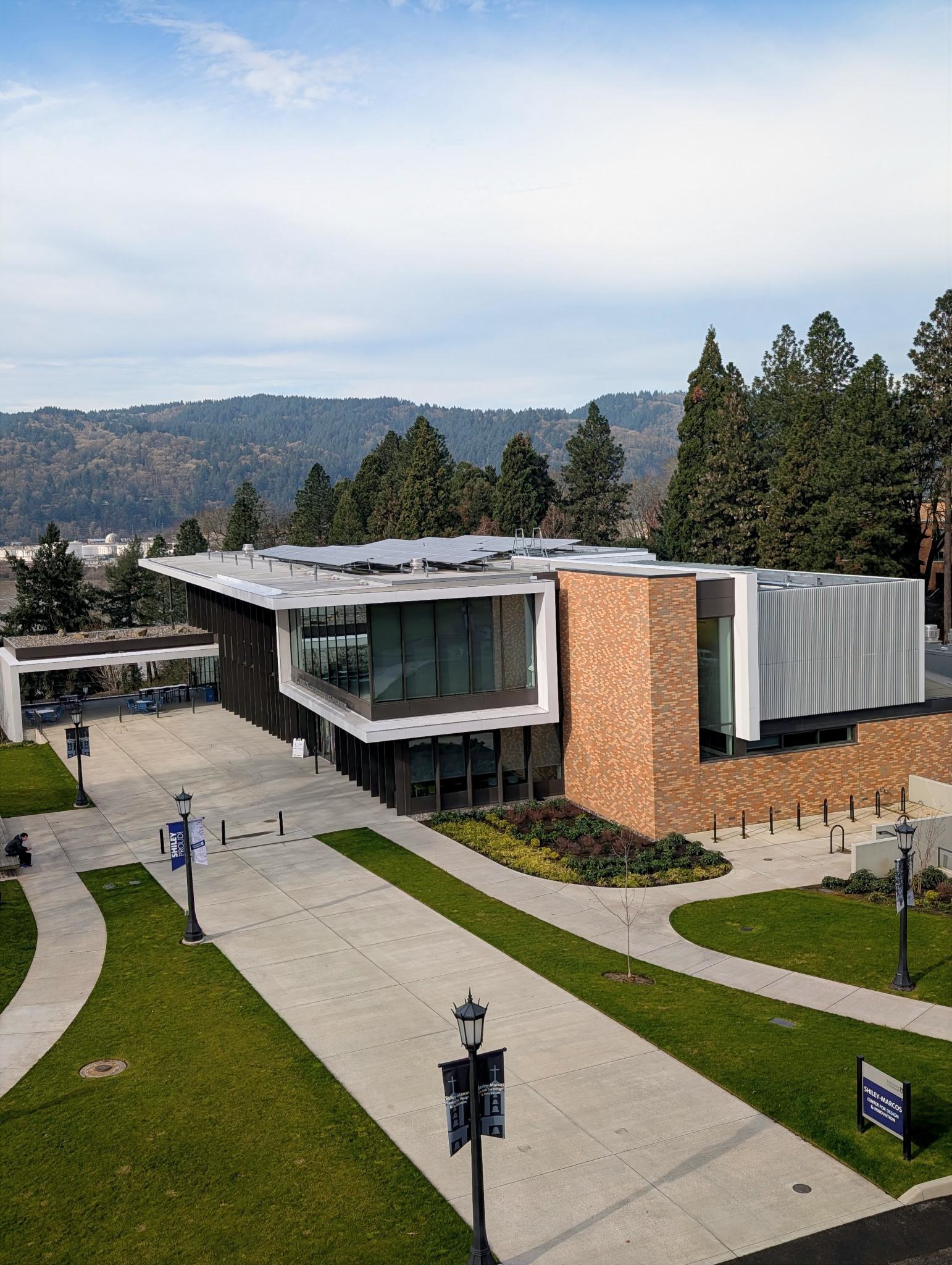
It's also worth considering the sustainability of your chosen roofing materials. Materials like metal and synthetic options have an impressive lifespan and are often recyclable, reducing their environmental footprint. Additionally, if sustainability is a priority, consider investing in solar-friendly roofing options. These materials not only withstand various climates but also provide a platform for integrating solar panels, offering energy independence and further cost savings.
Once you've matched your roofing material to your climate, enlist the expertise of a trusted roofing service like Anderson Roofing to install your chosen option. Professional installation ensures the material performs as expected and maximizes its intended benefits.
In summary, choosing the right roofing material involves evaluating your local climate, understanding the strengths and weaknesses of various materials, and considering future needs such as sustainability and energy efficiency. By tailoring your choices to specific weather conditions, you safeguard your home’s comfort and value, putting you several steps ahead in the roofing game. Connect with Anderson Roofing today to discuss the perfect roofing solution for your home’s specific needs.